Why back-of-house efficiency is now a menu essential
Tom Edwards, Commercial Director
The UK foodservice sector has faced an unprecedented financial squeeze this year after the UK government brought in changes to the Employment Rights Bill and increases to employer National Insurance Contributions.
More than three months on, the knock-on effects of these changes are now starting to be seen. Wage bills are soaring, food prices continue their relentless climb (according to UKHospitality’s annual report), and restaurants and QSR outlets across the country are struggling to manage their budgets while still bringing in a profit.
For operators already under pressure, back-of-house efficiency has become more important than ever. Restaurateurs are grappling with cost increases that can’t be entirely passed onto customers, yet still want to maintain the quality and high standards in their products. With these mounting pressures, there is fundamentally a demand to reassess operational models and rethink everyday kitchen processes.

The scale of the challenge
The numbers tell a stark story. National Insurance rises have added thousands to wage bills for medium-sized operations, while the Employment Rights Bill’s provisions around sick pay and working conditions have created additional cost pressures, particularly for businesses employing staff on minimum wage or zero-hours contracts.
Simultaneously, ingredient costs have surged across the industry – from meats and eggs to flour and fresh produce – creating a perfect storm of mounting expenses and stretched budgets. This challenge affects businesses of all sizes, from independents to major chains, as they navigate pressures around cost, consistency, and innovation.
Rethinking kitchen operations
The key to navigating this new landscape lies in reimagining back-of-house operations.
A fundamental shift is already underway among industry leaders who are moving away from labour-intensive prep work towards streamlined, more efficient kitchen systems – what we call smart sourcing. Smart sourcing plays a key role in strengthening back-of-house efficiency, particularly for kitchens with limited labour capacity.
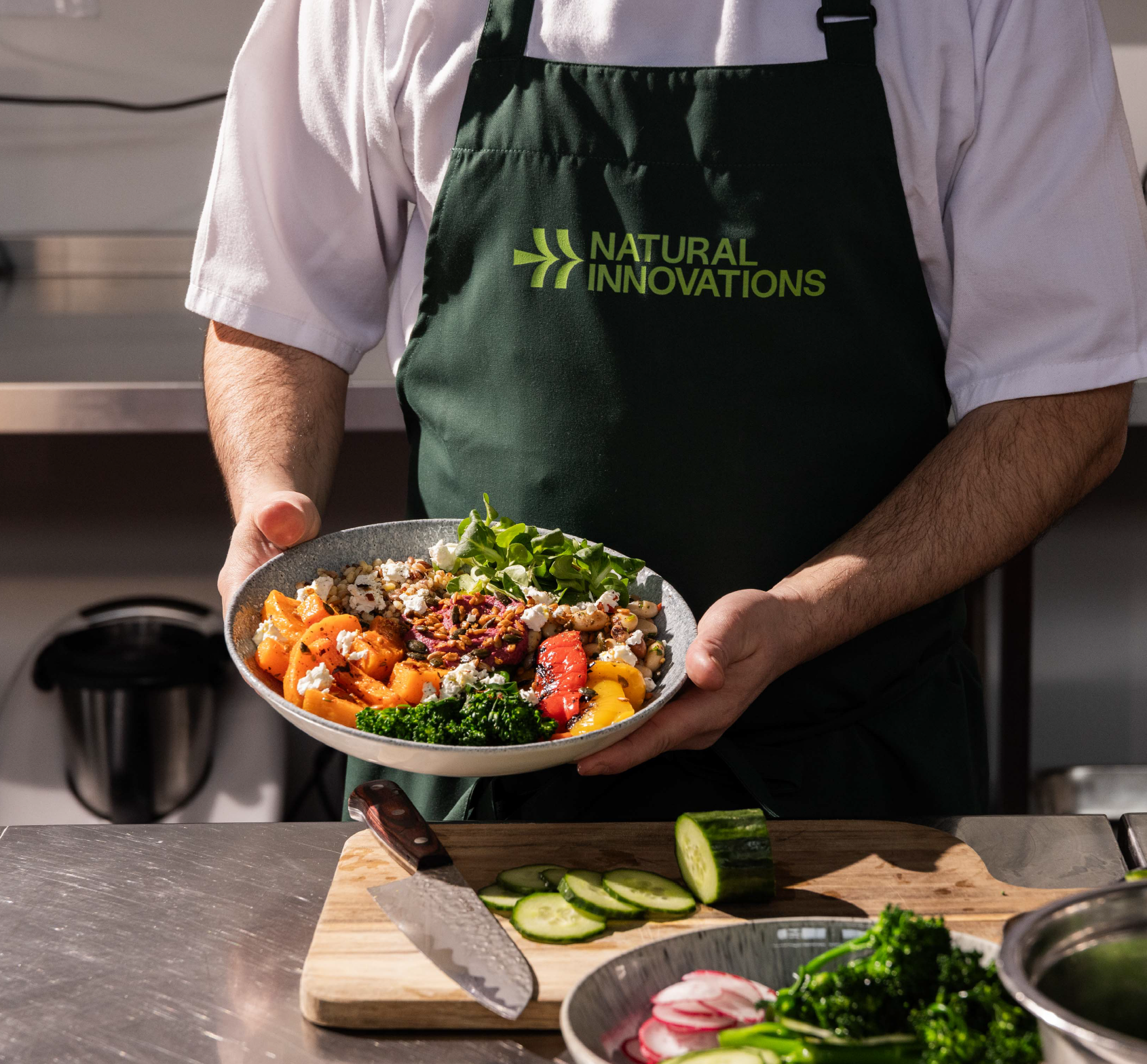
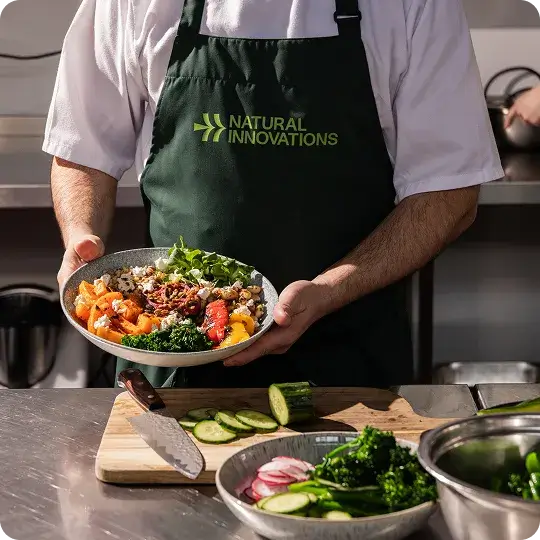
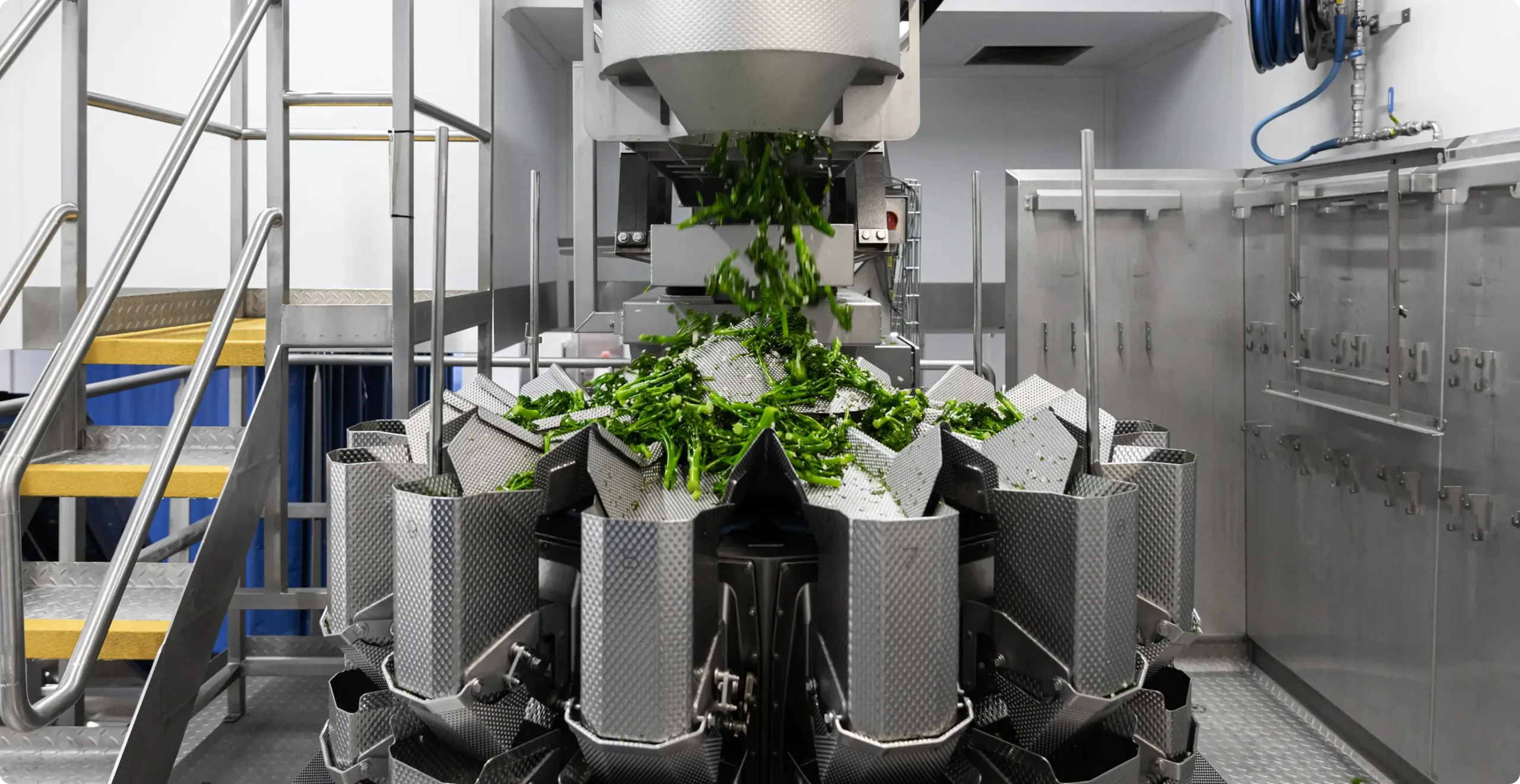
Rather than having kitchen staff spend hours peeling, chopping, or preparing basic ingredients like onions or butternut squash, operators are increasingly turning to pre-prepared alternatives. Ingredients like pre-chopped squash, charred onions, and blanched broccoli transform back-of-house prep into smart, innovative solutions without compromising on flavour or quality. Pre-prepared ingredients allow teams to boost back-of-house efficiency while keeping flavour, freshness and consistency front and centre.
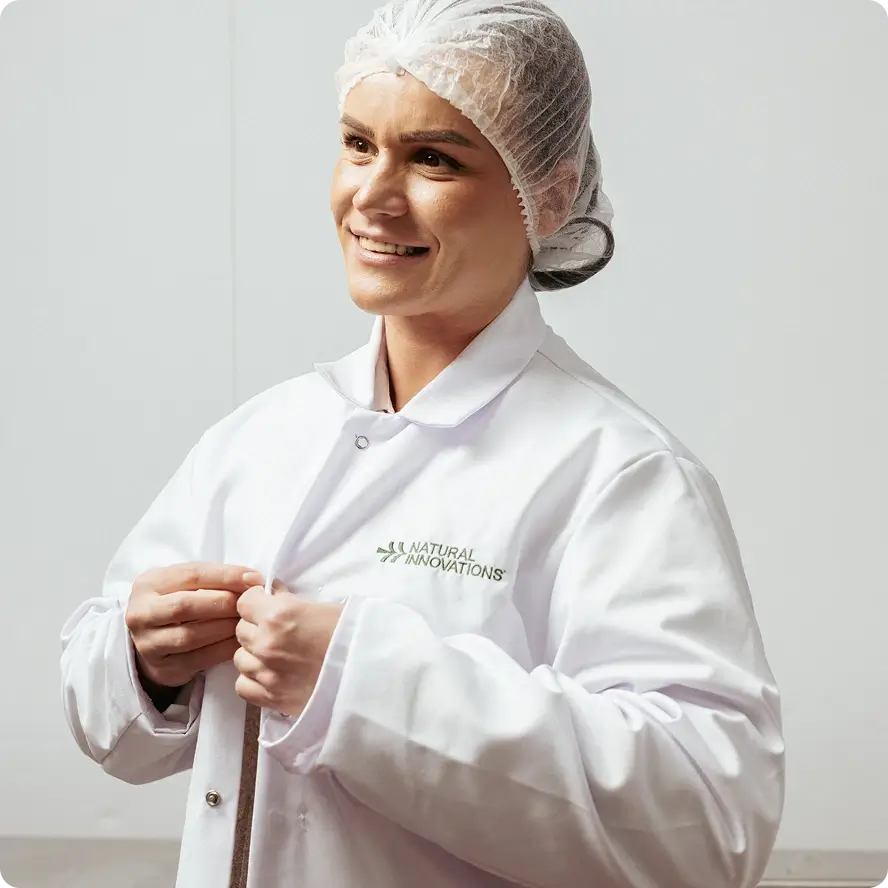
Handled in controlled, food-safe environments and packaged for freshness, this approach enhances food safety, ensures consistency, and frees up labour hours. Cheffing teams can redirect their energy to quality control, staff training, improved customer service, and menu innovation.
Several major restaurants are already embracing this operational transformation with measurable results. Those seeing the greatest success aren’t just reducing costs – they’re reinvesting the time and labour savings into areas that drive revenue. The consistency of pre-prepared ingredients also reduces waste, ensures portion control, and gives kitchens the flexibility to manage rush periods without compromising service speed or food quality.
The strategic advantage
While immediate cost savings are clear, the benefits extend far beyond expenses. Streamlined operations give chefs space to be creative, refine recipes, and develop distinctive menus – supporting premium pricing. Operators who prioritise back-of-house efficiency aren’t just saving money – they’re unlocking new time for creativity and menu development.
Operational efficiency also improves staff satisfaction and retention, a critical consideration given ongoing labour shortages. Reducing repetitive prep tasks allows kitchen staff to focus on the creative and skilled aspects of cooking and presentation, enhancing job satisfaction in high-turnover roles.
For operators considering the transition, a phased approach works best. Start by identifying where cheffing teams spend the most time in preparation and replace the highest-volume, most labour-intensive ingredients first. Accurate cost analysis that includes labour, waste reduction, and consistency improvements – not just ingredient costs – delivers the most effective results.
Looking ahead
This isn’t about cutting corners or reducing staff. It’s about intelligent resourcing and embracing innovation, while maintaining high standards and customer experience.
The financial shake-up currently facing the industry demands bold thinking. Restaurants willing to reimagine back-of-house operations can build more resilient, efficient, and profitable businesses.
Streamlining prep gives kitchen teams space to focus on what really matters: creating exceptional dining experiences that keep customers coming back again and again.